
Understanding Shin Splints: Causes, Treatment and Prevention
- Jul 13
- 3 min read
If you've ever experienced pain along the front or inside of your lower leg during or after exercise, you may have encountered shin splints. This common overuse injury affects runners, footballers, dancers, military recruits and anyone who participates in activities involving repetitive impact.
While shin splints are often associated with running, they can affect people of all fitness levels. Understanding the causes, recognising the symptoms and taking the right steps early can help prevent a minor problem from becoming a long-term issue.
What Are Shin Splints?
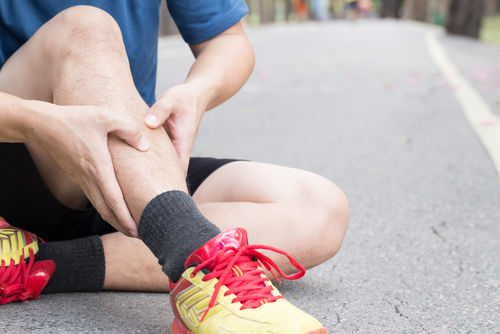
The term shin splints is commonly used to describe pain along the shinbone (tibia), usually on the inside edge of the lower leg. The medical term for this condition is Medial Tibial Stress Syndrome (MTSS).
The pain develops when repeated stress causes irritation of the muscles, tendons and connective tissues attached to the tibia. It is considered an overuse injury and often develops gradually over time.
What Do Shin Splints Feel Like?
Common symptoms include:
Aching pain along the inside of the shin
Tenderness when touching the affected area
Discomfort during or after exercise
Pain that improves with rest but returns when activity resumes
Mild swelling in some cases
Early on, symptoms may only appear towards the end of a training session. If ignored, pain can begin earlier during exercise and eventually affect everyday activities.
What Causes Shin Splints?
Shin splints rarely result from a single cause. Instead, they usually develop when the body is exposed to more stress than it can comfortably tolerate.
Training Errors
One of the most common causes is a sudden increase in training load, such as:
Running further than usual
Increasing training intensity too quickly
Adding extra training sessions
Returning to sport after a break
The body's tissues need time to adapt to increased demands.
Biomechanical Factors
The way your body moves can influence how much stress is placed on the lower leg.
Potential contributing factors include:
Reduced ankle mobility
Tight calf muscles
Weakness in the hips or glutes
Excessive foot pronation
Poor balance or control during movement
These factors may alter how forces are distributed through the lower limb during running and jumping activities.
Training Surface
Hard surfaces such as roads and pavements can increase impact forces compared with softer surfaces like grass or trails.
Sudden changes in terrain may also contribute to symptoms.
Inadequate Recovery
Training places stress on the body, but recovery is when adaptation occurs.
Insufficient rest between sessions can increase the risk of overuse injuries, including shin splints.
Could It Be Something More Serious?
Not all shin pain is caused by shin splints.
Conditions that can produce similar symptoms include:
Stress fractures of the tibia
Compartment syndrome
Tendon injuries
Nerve-related pain
If pain is severe, localised to a small area, causes limping, or continues even when resting, it is important to seek professional assessment.
How Are Shin Splints Treated?
Relative Rest
This doesn't necessarily mean complete inactivity.
Reducing or modifying aggravating activities often allows symptoms to settle while maintaining overall fitness through alternative forms of exercise such as cycling or swimming.
Addressing Contributing Factors
Successful treatment involves identifying why the problem developed.
This may include:
Improving ankle mobility
Strengthening the calf muscles
Building hip and glute strength
Improving movement control
Reviewing training habits
Hands-On Treatment
Osteopathic treatment may help reduce muscle tension, improve mobility and support recovery.
Treatment is typically combined with exercise-based rehabilitation for the best outcomes.
Gradual Return to Activity
Returning to full training too quickly can lead to recurring symptoms.
A gradual progression allows tissues to adapt safely to increasing loads.
How Osteopathy Can Help
An osteopath will assess not only the painful area but also how the entire lower limb functions.
Assessment may include:
Walking and running mechanics
Joint mobility
Muscle strength
Flexibility
Training history
Treatment may involve hands-on techniques, rehabilitation exercises and guidance on training progression to help address both symptoms and underlying contributing factors.
How to Prevent Shin Splints
Although no injury can be prevented completely, several strategies can reduce your risk.
Increase Training Gradually
Avoid large jumps in distance, intensity or frequency. Gradual progression gives your body time to adapt.
Strength Train Regularly
Strong muscles are better able to absorb and manage the forces generated during sport and exercise.
Particular attention should be paid to:
Calf muscles
Glutes
Hamstrings
Core muscles
Prioritise Recovery
Recovery is just as important as training.
Ensure you are getting:
Adequate sleep
Rest days
Appropriate nutrition
Sufficient hydration
Address Minor Symptoms Early
Many cases of shin splints begin as a mild ache that athletes try to push through.
Seeking advice early may help prevent a more significant injury from developing.
When Should You Seek Professional Advice?
Consider consulting a healthcare professional if:
Pain persists despite rest
Symptoms are worsening
You are unable to train normally
Pain is affecting daily activities
You suspect a stress fracture
Early assessment can help identify the cause of symptoms and guide an effective recovery plan.


Comments